









Shop by Category
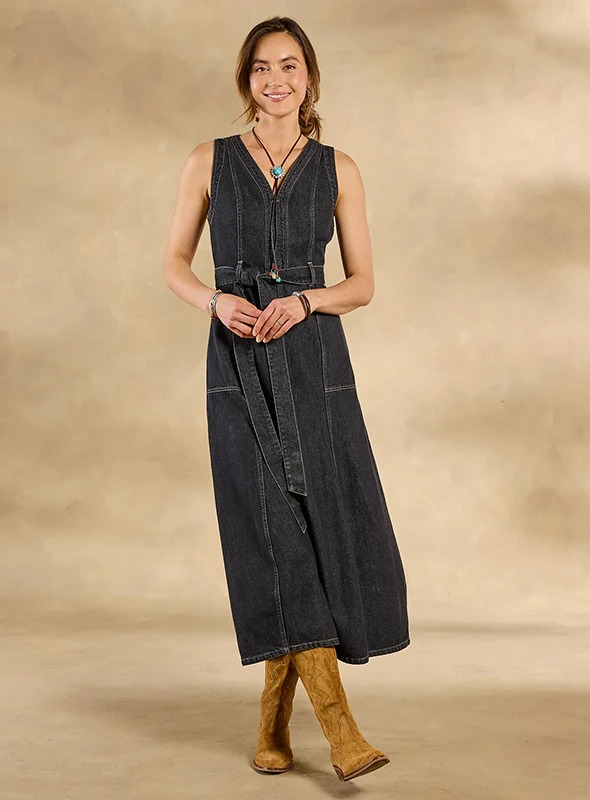

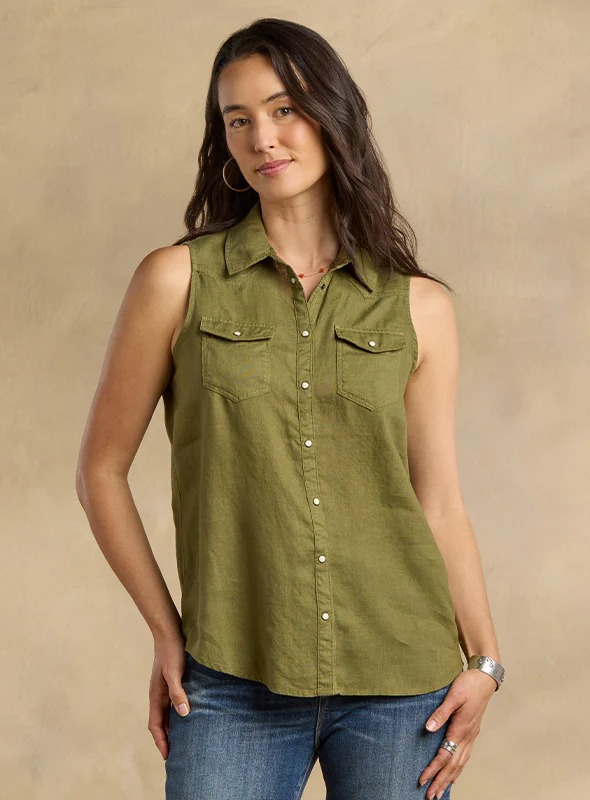
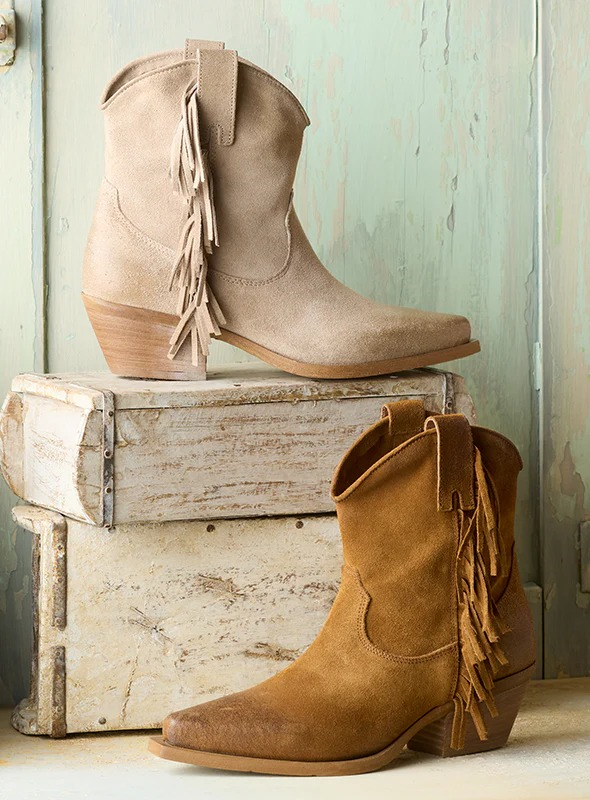
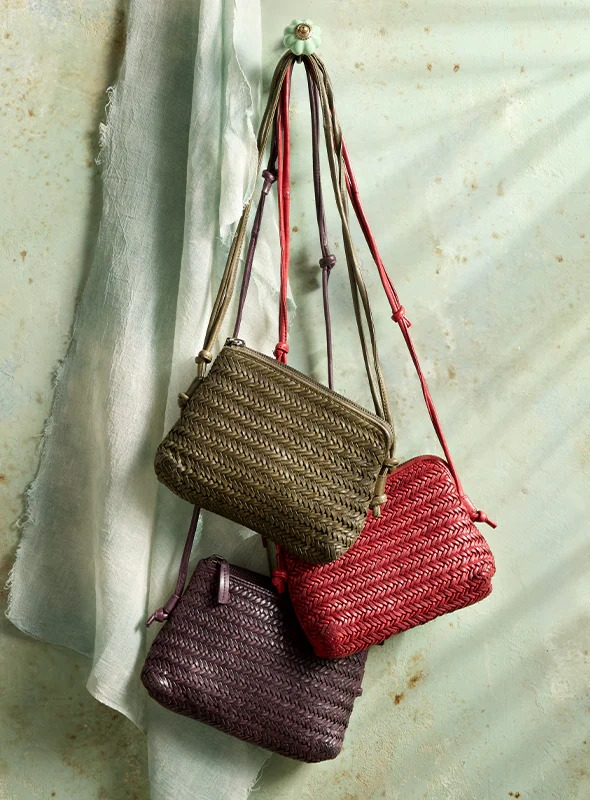
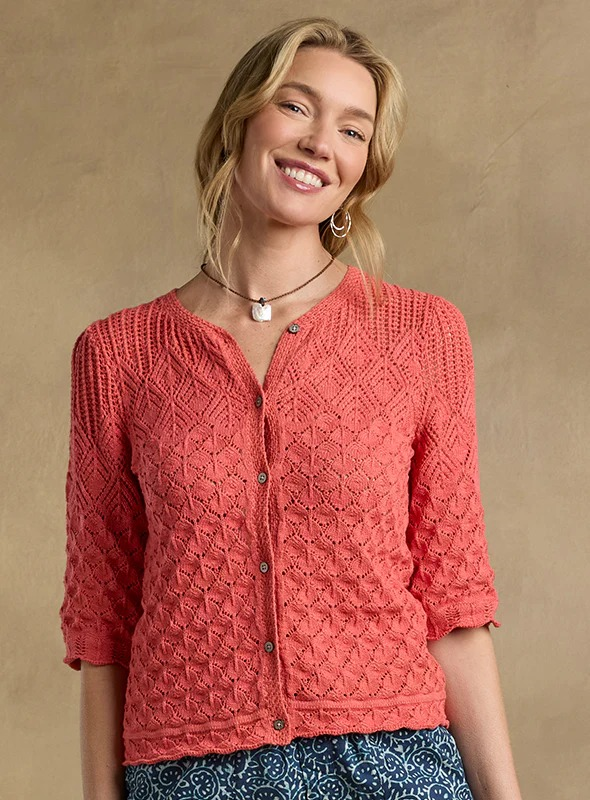
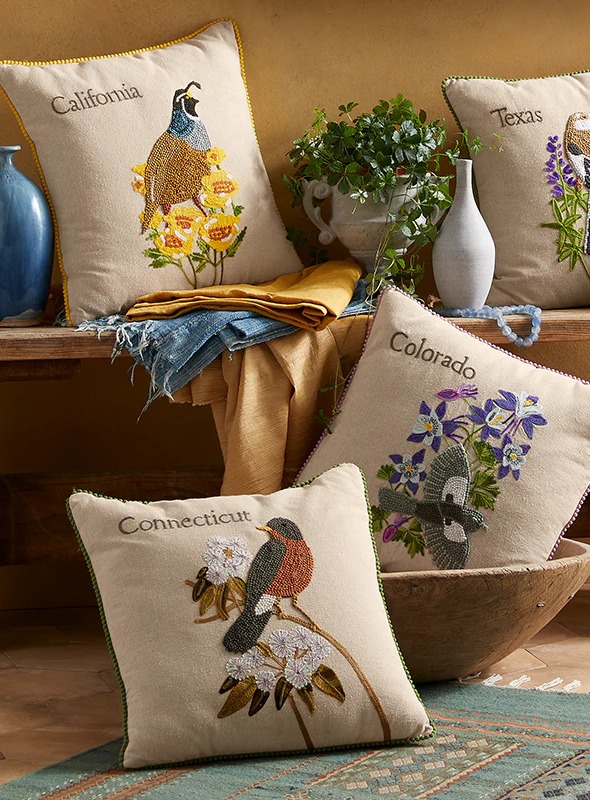
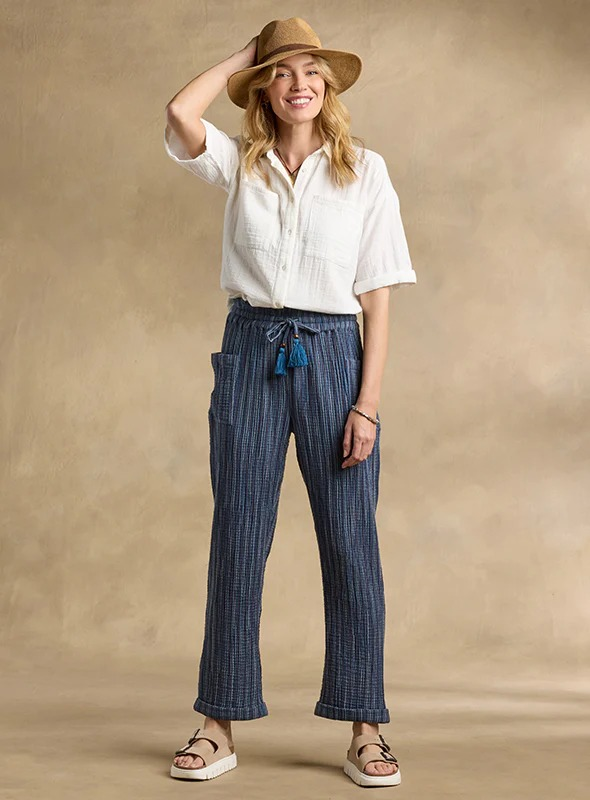
The Transformative Power of Women’s Style.
The clothes a woman chooses to wear are far more than mere coverings; they are a profound, personal language—a silent manifesto broadcast to the world. Women’s apparel, in its stunning diversity, serves as a powerful instrument for self-expression, confidence, and navigating the social landscape. The deliberate act of dressing is, for many, a daily ritual of empowerment, a chance to define and redefine the self without uttering a single word.
Consider the foundational concept of a personal uniform, a carefully curated selection of garments that resonate deeply with one’s character and daily life. This isn’t about conformity, but about harnessing the efficiency of repetition to highlight one’s unique essence. When the decision of “what to wear” is simplified to a set of trusted silhouettes and hues, mental energy is freed up for more meaningful pursuits. A woman who understands her signature style operates with an unmistakable clarity. She knows which cuts flatter her form, which textures feel authentic, and which colors illuminate her spirit. Her wardrobe is a strategic collection, not a random assortment, where every piece works in harmony to project a consistent, yet nuanced, identity. This streamlined approach fosters a sense of effortless chic, proving that true style is a function of intentionality, not endless acquisition.
Moreover, the significance of women’s clothing stretches beyond the personal, acting as a crucial element in professional and public life. An ensemble can be a tool for asserting authority, signaling creativity, or communicating approachability. In a professional setting, carefully chosen attire can subtly influence perception, bolstering confidence and command in crucial moments. It’s the sartorial equivalent of a well-rehearsed presentation—polished, persuasive, and designed to leave a lasting impression. The structure of a tailored jacket, the flow of a thoughtful drape, or the impact of a rich color palette all contribute to an aura of competence and preparedness. This is the art of “dressing for the role,” where clothing becomes a second skin that supports ambition.
But perhaps the most compelling dimension of women’s fashion is its dynamic role in self-discovery and mood regulation. On days when morale is low, slipping into a favored outfit can act as a psychological uplift—a form of self-care. Conversely, experimenting with a new trend or a previously unexplored aesthetic offers a low-stakes way to try on a new persona, to tap into a dormant part of one’s character. Fashion allows for playfulness, transformation, and reinvention at any age or stage of life. A woman might transition from an artistic, bohemian silhouette one day to a minimalist, architectural look the next. This freedom to shift and evolve is a celebration of the complexity of female identity.
The history of women’s dress is, in many ways, the history of progress and liberation. From the restrictive corsets of past centuries to the relaxed, utilitarian separates of contemporary life, the evolving silhouette mirrors changing social norms and increased freedom of movement. Every adjustment—a raised hemline, a broadened shoulder, the adoption of trousers—represents a cultural negotiation. Today, the conversation is centered on comfort, versatility, and the dismantling of rigid gendered expectations. The modern wardrobe demands pieces that can transition seamlessly from one environment to another, embodying the dynamism of contemporary life. This functionality, however, is never at the expense of beauty; instead, it elevates thoughtful design that honors both form and function.
Ultimately, the power of women’s apparel lies in its capacity to serve as a personal canvas. It is a daily, visible choice to engage with the world on one’s own terms. It offers the wearer a sense of control and self-possession. To care about what one wears is not vanity; it is an acknowledgment that the outer self is a reflection of the inner self, and that presenting a considered self to the world is a vital act of personal agency. It is a quiet declaration that one is present, engaged, and ready to meet the day with intention and style.